October 16, 2025
Components
- Developing Decision-Making Skills
- Early Mental Health Prevention and Intervention
- Grief and Trauma-Informed Practices
- Managing Emotions
Settings
- Elementary School
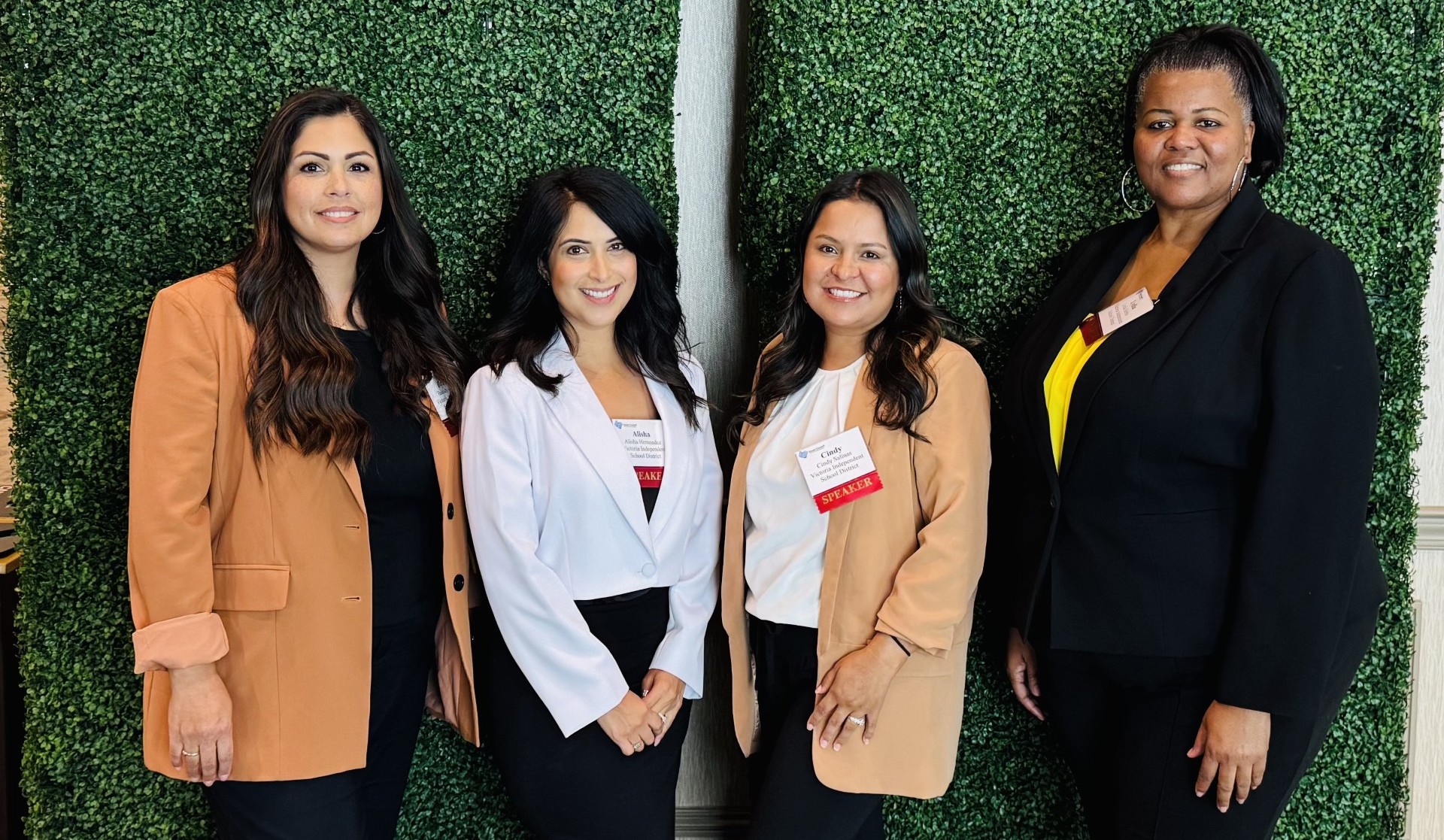
In this series, we’ll highlight impactful mental and behavioral health best practices across Texas to inspire schools interested in developing similar opportunities for youth.
The team at Victoria ISD began partnering with Gulf Bend Center, their local mental health authority (LMHA), to create the “Bend the Trend” program in 2022. The initiative identifies and provides early intervention mental health services for students.
By proactively identifying these students and building a continuum of support around them and their families, they aim to empower students with healthy coping mechanisms that’ll help them thrive. Bend the Trend is currently available at three campuses: Chandler, Crain, and Shields Elementary Schools.
When considering the Texas School Mental Health Framework, Victoria ISD’s work addresses multiple components of a comprehensive school mental health system, including early mental health prevention and intervention, trauma-informed practices, and managing emotions and decision-making skills.
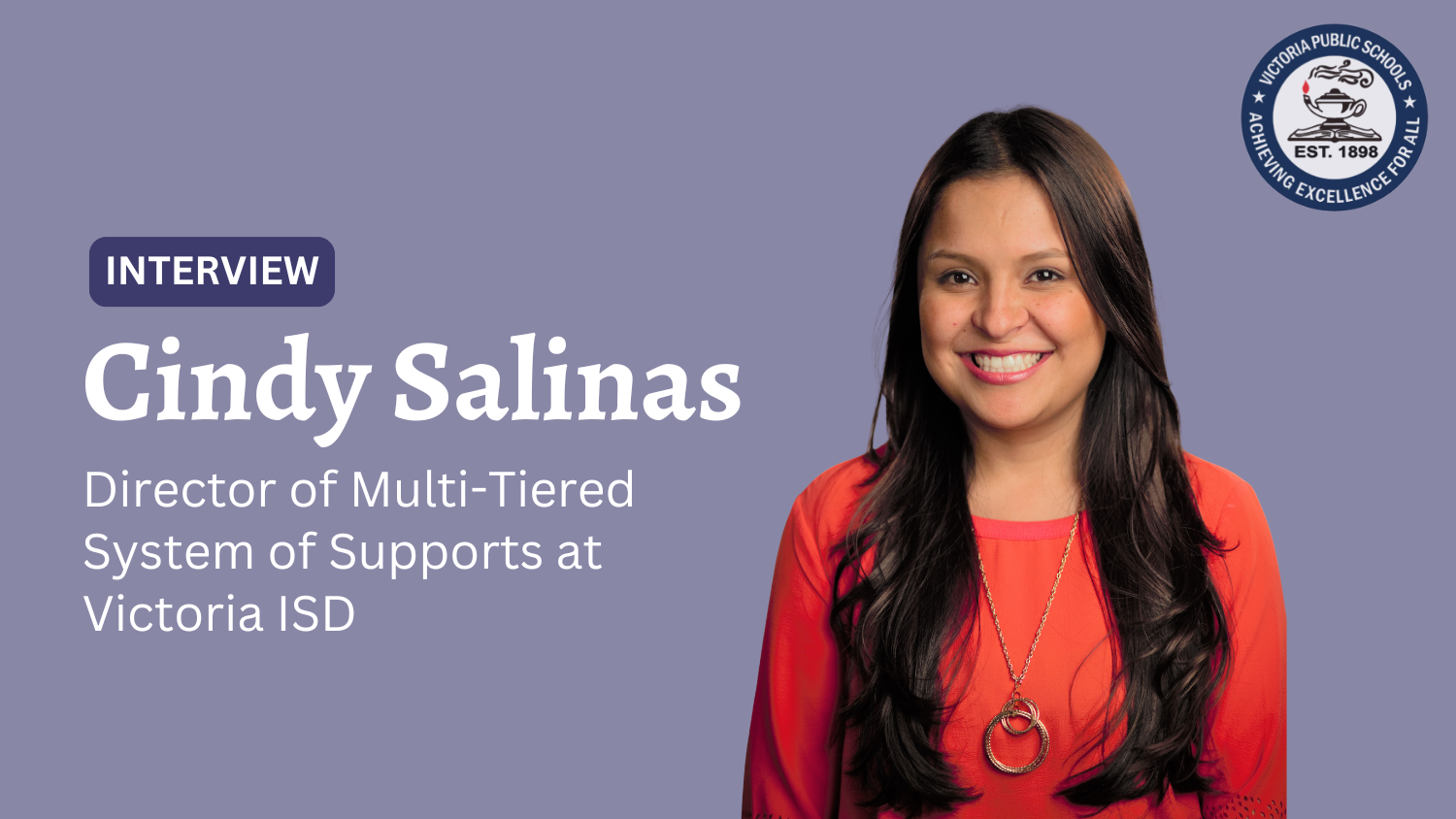
Check out our conversation with Cindy Salinas, the Director of Multi-Tiered System of Supports (MTSS) at VISD.
How did Bend the Trend get started? What was the need you were trying to meet with this initiative?
Cindy: Bend the Trend started as a pilot program with our LMHA, Gulf Bend Center. The need for student mental health was rising in our district. We were starting to see children as young as five years old in a state of crisis because of mental health or behavioral health-related situations. With rising needs in the district, as well as our limitations with providing support in school, Gulf Bend came into the picture and said, “Why don’t we partner together and create a program that provides mental health support to the student and the family in a school setting?”
We, in return, said we would like support for our teachers as well. We want to continue building their capacity to work with students who have experienced behavioral and mental health needs in the classrooms.
As we talked about what we wanted out of this program, we kept coming back to how everything we do in education is aligned with data. If we work with a child and their data changes, their trend line goes up or down, that’s how we know the interventions we’re putting in place are working. Our goal is to change the path of where that student and their family are headed and put them on a better route for academic success.
How was everyone’s initial response when this program was getting started?
Cindy: We brought the team that would support this program to the table from the very beginning. That team was made up of a school counselor, a social emotional behavior support specialist that we call SEBS, a principal, an assistant principal, and our district team. We came together and said, “What could this look like? Here’s what our idea is. What are your thoughts?”
From the beginning, they were very much a part of building the program and creating the framework. They saw the need, and the numbers were there, so they were on board. We also took feedback from teachers on what they wanted out of this program, and then we used our culture and school climate survey results to get data from parents and students.
One of the questions in our culture and climate surveys is: Do you feel like the behavior of others helps or hurts your learning? When most students say it hurts their learning, that’s a problem. We used that data to determine where the supports needed to be and what they needed to look like.
What are the steps your district took to implement Bend the Trend?
Establishing the mission and purpose
Cindy: We wanted the mission and purpose to be the main focus as we were developing the framework. We had to keep in mind that we were bringing in a LMHA. They follow HIPAA. We’re a public school, so we follow FERPA. How do we make sure we’re still following the policies from each entity?
We wanted our approach to be about early intervention and early indicators, focusing on students who were starting to show those signs and symptoms of early mental or behavioral health issues. We wanted it to be very wraparound. We focused on students, but we also wanted to train teachers and support families. We wanted a continuum of services from the moment that referral came in, all the way through—even during the summer.
Prioritizing access and shared language
Cindy: When we chose which schools were receiving this program, it was all about access. Victoria is the largest city within a very small rural community, but we don’t have access to a lot of mental health resources. Our LMHA is located on the west side of town, and we wanted our families who lived on the east side of town to have access.
We also ensured that the people who support this program are housed in schools. That way, when a family comes to drop off their child, they have access to the case manager, the school counselor, and every other person they need to connect with.
A lot of times, what we say in schools is a whole other language to someone outside of education, like those at our LMHAs. When we talk about tier one, tier two, and tier three supports, it means something different to them. We wanted to develop a shared understanding of roles, language, expectations, and practices before we built a team.
Building the team and launching the pilot
Cindy: The team is made up of a counselor, a social emotional behavior specialist, and a school-based mental health case manager. All three individuals came together to create what we called a campus care team or a student support team.
During the pilot, we accepted 10 student referrals and began working with them. That’s where we took note of what did or didn’t work. For example, what happens if you have a child who’s at a foster placement? Or how do we respond when it’s the parents who are struggling, not the child? By supporting the family in that case, we’d create a path for the student to be successful academically.
Our development started with a very MTSS structure in mind, but we did bring in some of the LMHA wraparound approach and social work case management, so it was a little bit more intensive than what your go-to MTSS format is in a school setting.
Can you share more about the impact this initiative has had so far?
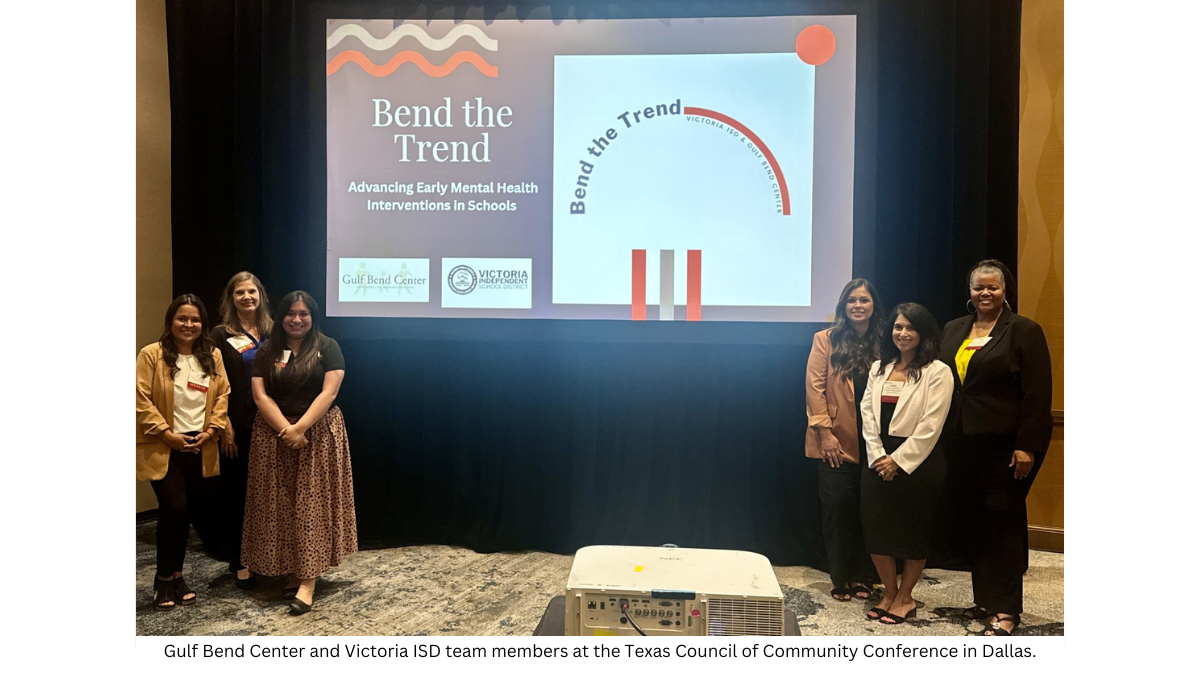
Cindy: We’ve actually been invited to present at the Texas Council Conference in Dallas, and I’ve been working on a presentation for them with some data. This school year, we served 66 students with documented behavioral and emotional challenges.
We develop a campus care plan for each student with measurable objectives. Out of the 66 students, 78% have made growth and/or met their goal. We’ve reduced the number of either discipline incidents or crises by 78%. We’ve also reduced our discipline referrals by 12% among those 66 students.
At the end of every year, we survey our Bend the Trend parents. Some parents said the program made a substantial difference for their child, and it also helped them communicate more effectively as parents. They now understand that many things they did were not helping their child be successful at school. Parents realized, “I have to change my behavior so that my child is successful.” That has been huge.
What funding did you use to support this initiative?
Cindy: We’ve been incredibly blessed by our community here in VISD. Gulf Bend is paying the staff who are on our campuses, and our school counselors and social emotional support specialists are funded through the district.
The school-based mental health case manager is a Gulf Bend staff member who is fully funded by Gulf Bend thanks to certain grants they’ve received.
Looking ahead, will the district continue expanding the program to other schools? What other goals do you have for the initiative?
Cindy: We started with one campus, then we moved on to three. We eventually removed Bend the Trend from the first campus that we started with because that campus was doing well, and there were higher needs at other campuses.
Our superintendent has been so good about making sure we stay focused on students—she knows students by name and by need. One of the things we’re working on, and we’re using the framework that we’ve developed through Bend the Trend, is how do we develop a district-wide case management process where all of our students receive that level of intervention and targeted support.
What did you learn from this process, and what advice do you have for others who want to try something similar?
Cindy: I think one of the biggest things for us has been that collaboration is huge. It’s the foundation of everything that we’re doing through this program. Not one single role can change student outcomes. It takes a coordinated system.
It’s important to reach out to your community resources, bring people to the table, and find ways to serve students. They’re the future of our community. If we’re not investing in them, then we’re not investing in our community. The advice that I would give to districts is to start with a clear structure and guided principles.
What are the things that you want to get out of this? Then make sure you have feedback loops or a way to get feedback from families or teachers. Always bring an advisory team to the table to make sure that your work is staying grounded in the vision and purpose. I think the number one goal is to keep the focus on students’ academic success.
Stay tuned for more mental health best practices
We want to give a huge thank you to Cindy Salinas for taking the time to chat with us about Victoria ISD’s Bend the Trend program.
Our Texas School Mental Health website gives school mental health leaders the tools they need to develop a comprehensive school mental health system. Visit our best practices page to learn more about resources and programs for schools.